
Dating in Los Angeles: What Singles Really Wanted in 2025
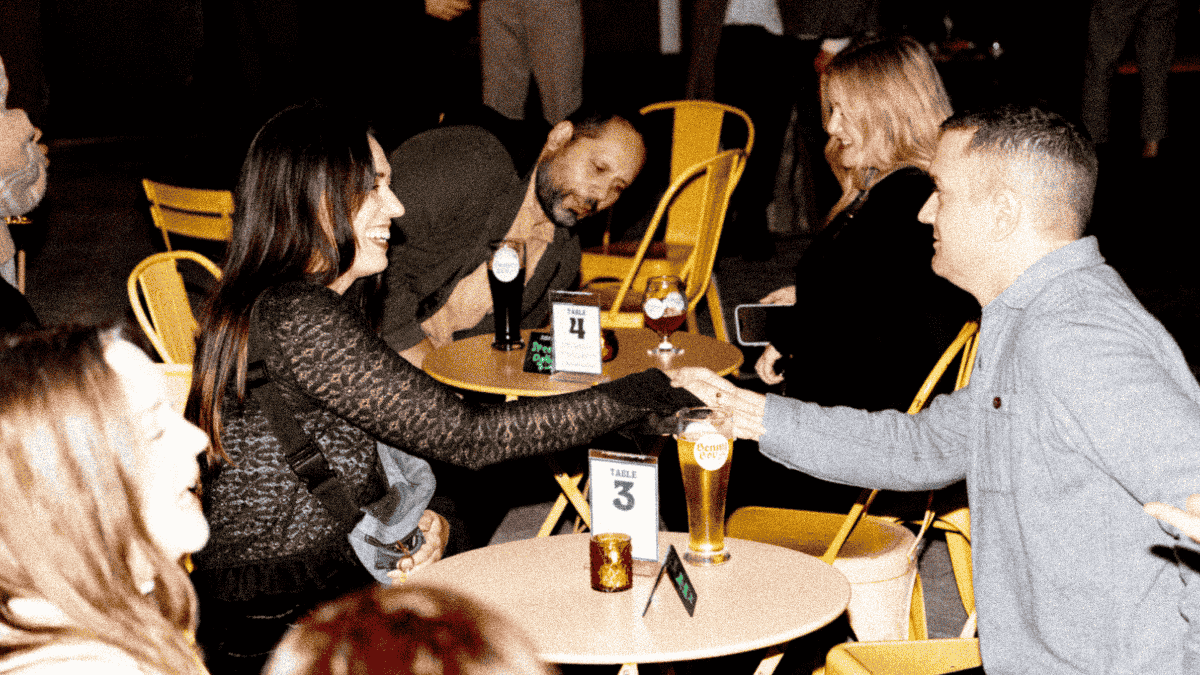


Dating in Los Angeles is often described in extremes, either impossibly casual or unrealistically selective. But beyond the stereotypes, what did dating actually look like in 2025?
To better understand how people in LA are navigating modern dating, we surveyed a group of local singles about their experiences over the past year: what they were looking for, how often they went on dates, what stopped connections from continuing, and what ultimately mattered when deciding whether to keep seeing someone.
This data isn’t meant to offer definitive conclusions or universal rules. Instead, it captures patterns, the shared behaviors, trade-offs, and pressures that shape dating in a fast-paced, ambitious city. The results point to a dating culture that isn’t lacking interest or intention, but one where time constraints, early expectations, and differing priorities often cause connections to end before they have a chance to develop.
What follows is a snapshot of dating in LA in 2025, not as a set of instructions, but as a mirror. One that reflects where friction exists, where opportunity remains, and what might be worth reconsidering as we look ahead to 2026.
Type of relationship singles were looking for in 2025
- 78.3% were seeking a long-term relationship
- 8.7% were casually dating
- 8.7% weren’t actively dating
- 4.3% were pursuing non-monogamous relationships
What the Data Tells Us:
Nearly 4 in 5 LA daters wanted something serious. The data contradicts the stereotype that LA daters avoid commitment. The desire is there, execution and alignment are the issue.
Men and Women Are Dating at Very Different Volumes
The amount of first dates men went on in 2025:
- 0 Dates - 1%
- 1-2 Dates: 8.1%
- 3-5 - 18.2%
- 6-10 dates - 54.5%
- 10+dates 18.2%
The amount of first dates women went on in 2025:
- 0 Dates - 14.7%
- 1-2 Dates - 32.4%
- 3-5 Dates - 38.2%
- 6-10 dates - 8.8%
- 10+ Dates - 5.9%
What the Data Tells Us:
In this sample, men reported going on significantly more first dates than women in 2025. Nearly three-quarters of men (72.7%) went on six or more first dates, compared to just 14.7% of women. By contrast, the vast majority of women (85.3%) fell into the low-to-moderate dating range of zero to five first dates, while only 27.3% of men did.
The gap is striking and suggests different dating behaviors: men may be casting a wider net and going on more first dates overall, while women appear to be filtering more selectively before agreeing to meet in person.
If there wasn’t an immediate spark, were you open to a second date?
- 66.7% said sometimes
- 10.9% said yes, often
- 19.6% said rarely
- 2.2% said never
What the Data Tells us:
Only ~11% are consistently open to a second date without immediate chemistry. While two-thirds of daters are theoretically open to a second date, very few are enthusiastic about it, reinforcing how much pressure the first date carries.
The top reasons a second date didn’t happen
This breakdown reflects the top three reasons respondents said they didn’t go on a second date.
Men responses:
- Lack of chemistry / conversation felt forced: 100.0%
- Physical attraction wasn’t there: 63.6%
- Red flags appeared: 54.5%
- One of us ghosted: 54.5%
- Different relationship goals: 36.4%
- Scheduling / logistics: 9.1%
- Distance / too far: 9.1%
Women responses:
- Lack of chemistry / conversation felt forced: 73.5%
- Red flags appeared: 44.1%
- Physical attraction wasn’t there: 41.2%
- One of us ghosted: 41.2%
- Different relationship goals: 26.5%
- Scheduling / logistics: 17.6%
- Distance / too far: 11.8%
What the data tells us:
Men and women shared the same primary blocker: lack of chemistry or a forced conversation. Men overwhelmingly pointed to chemistry and attraction, while women cited a broader mix of chemistry, red flags, attraction, and ghosting. Overall, second dates most often fade when early emotional signals and alignment don’t click quickly enough.
What Actually Determines Whether Dating Continues
Respondents were able to select multiple factors, so percentages reflect the share of respondents who included each factor, not exclusive priorities.
Men responses:
- Physical attraction: 81.8%
- Chemistry / spark: 63.6%
- Lifestyle compatibility: 36.4%
- Emotional availability: 27.3%
- Communication style: 27.3%
- Shared values: 27.3%
- Ambition / career alignment: 27.3%
Women responses:
- Shared values: 67.6%
- Chemistry / spark: 52.9%
- Emotional availability: 50.0%
- Physical attraction: 35.3%
- Communication style: 32.4%
- Lifestyle compatibility: 32.4%
- Ambition / career alignment: 14.7%
What the data tells us:
When deciding whether to keep seeing someone, men and women prioritize different signals. Men most often ranked physical attraction and chemistry as deciding factors, while women were more likely to prioritize shared values and emotional availability alongside chemistry. While chemistry mattered to both groups, women placed greater weight on long-term alignment, whereas men emphasized immediate attraction. These differences suggest that many dating disconnects stem not from lack of interest, but from people evaluating potential partners through What all of this means
Final Thoughts:
LA daters overwhelmingly want long-term relationships, and in 2025, most were actively pursuing them. But the data shows that many of the biggest decisions about whether to continue happen fast, often after just one date. In a city defined by ambition, packed calendars, and high expectations, first dates carry outsized weight, turning dating into a process of quick judgment rather than gradual discovery.
Still, there’s reason for optimism heading into 2026. Small shifts can change outcomes: leaving room for second dates, being clearer about intentions earlier, and remembering that chemistry often grows with comfort and familiarity. In a city full of driven, thoughtful people, slowing down just enough may be what transforms promising first meetings into something that actually lasts.

.avif)


